Whoa! Ever held a credit-card that actually holds crypto? Seriously? Yeah — and it’s a little bit magical. My first impression was simple curiosity. Then the questions started piling up. Initially I thought a card wallet would be gimmicky, but then I realized how clean the user flow can be when hardware and UX are done right.
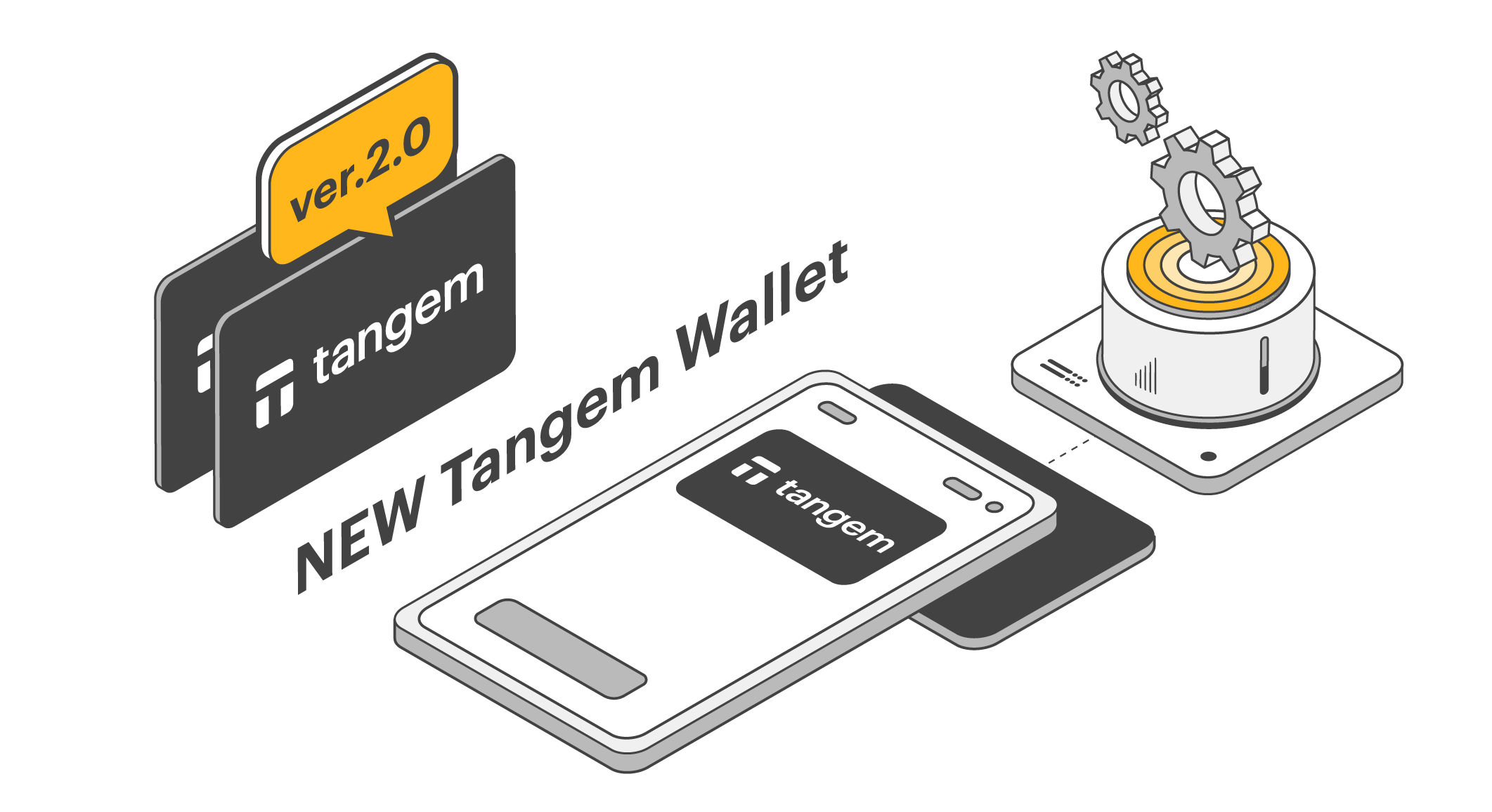
Okay, so check this out—Tangem takes a smartcard approach to a hardware wallet. Short version: private keys live on the card’s secure element and never leave. The Tangem app talks to the card over NFC. You tap your phone to the card, approve a transaction, and the card signs it. No cables. No seed phrase on a sticky note. Pretty neat, right?
I’ll be honest: it’s not flawless. My instinct said “this will be simpler,” and it often is, though actually, wait—let me rephrase that… simplicity trades off some advanced features you might want if you’re a power user. On one hand you get convenience and portability. On the other hand, multi-sig and complex scripting support are more limited compared with some air-gapped devices. That said, for many people the balance is right.
How Tangem works — the essentials
The card contains a secure element that stores private keys. Medium-length sentences help explain this cleanly. You tap and the phone and card exchange data via NFC. Longer explanation: during setup, the card generates a keypair in its secure hardware and exposes the public key so the app can derive your addresses and display balances, while the private key never leaves the chip, which significantly reduces exposure to remote compromise.
Check the official page if you want a straight walkthrough: https://sites.google.com/cryptowalletextensionus.com/tangem-wallet/ This link is useful for setup steps and official specs.
Something felt off about the documentation at first. Hmm… the UX gloss can make people skip threat modeling. So here’s the hands-on angle: keep the card physically secure. Really. If someone gets the card they can try to use it, though most cards need your explicit tap and often an app confirmation. There are variations across Tangem models, but the general rule is: physical security matters.
What I like — quick wins
Portability. You can carry a hardware wallet in a wallet. Short and practical. The onboarding is quick; no complicated backups required if you’re comfortable with Tangem’s approach (single-card, chip-based key storage). The NFC flow is elegant, especially on modern Android phones. On iPhone it’s straightforward too, though sometimes the OS’s NFC handling feels finicky.
Another plus: durability. These cards are built to be handled like a card, so they’re less fragile than a tiny USB device that can bend or break. Also, for gifting or onboarding non-technical friends, a card is less intimidating than a device with dozens of menus.
Where it gets tricky — trade-offs and cautions
Short thought: not for every use-case. Medium explanation: power users who need advanced multi-signature setups or programmable accounts might find Tangem limiting. Longer thought: while the card secures the private key, recovery strategies differ — Tangem sometimes relies on a recoverable scheme using multiple cards or cloud-based recovery (depending on product), which means you should read the exact model specs carefully and not assume every Tangem card has the same recovery options.
Here’s what bugs me about some wallet models: marketing glosses over threat models. People assume “hardware” means invincible. No. If someone steals your card and can coerce you, or if you don’t secure backup cards, you risk loss. Also, NFC implies you need a phone for most operations — so if your phone is compromised, you need to consider mitigations.
Practical setup tips
1) Test with small amounts first. Seriously. 2) Keep at least one backup plan. A second card, stored separately, is a common approach. 3) Label cards carefully, but avoid obvious hints like “Bitcoin backup” on the outside. 4) Use the official app for firmware and updates, and verify signatures if you can.
Initially I thought firmware updates would be rare. Then I noticed occasional updates for both app and cards. So check updates before doing a big transfer; some features depend on matching versions. On the other hand, don’t rush updates mid-transfer. Wait until things are stable.
Everyday workflows and UX notes
Tap to check balance. Tap to sign. Short interactions. The app aggregates multiple coins and tokens, though token coverage varies. Pairing is usually one-tap via NFC. If chain support is critical for you (like certain EVM chains or Layer-2s), verify support in the app first. Also, there are times when the phone’s NFC antenna placement makes the tap awkward — move the card around a bit, and it’ll connect.
My instinct said Tangem would be all about convenience, but actually, there’s a delightful middle ground: it’s convenient and quite secure for standard use. If you need multisig with separated policy holders, you might pair Tangem cards as signers in an external system, but that requires more planning.
FAQ
Is Tangem safe for long-term storage?
Yes for many users. The private key never leaves the secure element. But “safe” depends on your recovery plan and threat model. Physical security, backup cards, and careful firmware practices are essential.
What if I lose my Tangem card?
If you have backup cards or a recovery procedure set up, recover from those. If not, loss can be permanent. So, make backups part of your setup — even if it feels annoying.
Does Tangem work without the app?
The card can sign via NFC, but you generally need an interface (the app or compatible wallet) to craft and broadcast transactions. So, yes the card does the signing, but you still need software to construct the transaction.