Okay, so check this out—NFT tracking on Solana used to feel like fumbling in the dark. Wow! At first I relied on wallet notifications and marketplace feeds. Then I started losing track of mints and transfers. Initially I thought I only needed a quick balance check, but then realized that provenance, metadata, and creator signatures matter way more when you’re verifying authenticity.
Whoa! The first time I traced a dud mint back to a fraudulent metadata update, my gut sank. Seriously? My instinct said something felt off about the collection, so I dug in. On one hand there are shiny marketplaces that show floor price and listings; on the other hand you need an on-chain lens to see the truth—who minted, which program was used, and whether creators actually signed the token metadata. Hmm… this is where a good explorer shines.
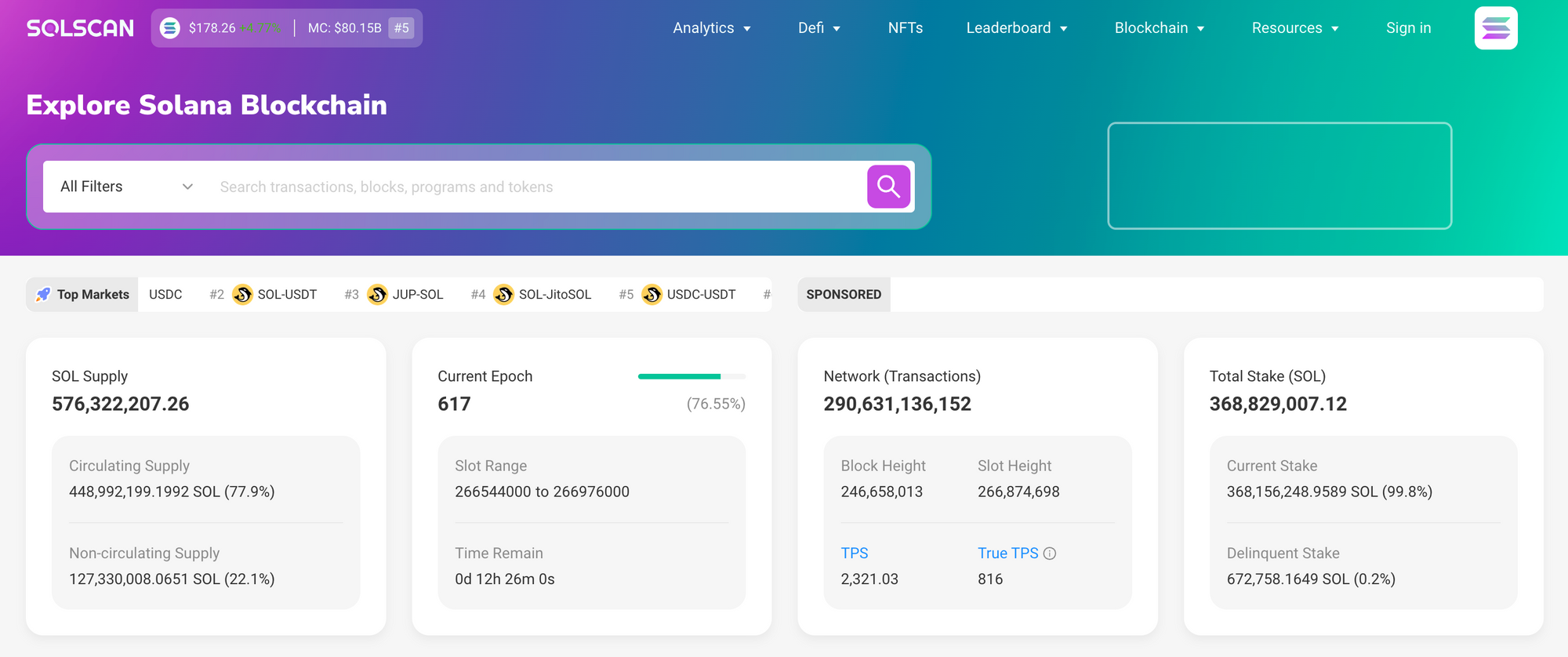
Why I use solscan explorer official site to track NFTs
Let me be blunt—I’m biased toward tools that show the raw data. The solscan explorer official site surfaces token metadata, on-chain ownership history, transaction signatures and program IDs quickly. Really? Yep. It pulls together the pieces you need: mint authority, metadata account, creator array, and the exact tx signatures tied to each transfer. At a glance you can see whether the token follows the Metaplex Metadata standard or whether somethin’ weird is attached (like a nonstandard program).
Short tip: always check the metadata account. Two quick checks there save hours. First, confirm the creator array and verify creator addresses match the project’s official channels. Second, look for seller_fee_basis_points to confirm royalty settings—these are embedded in metadata and persist on-chain even if marketplaces display something else.
Here’s the practical flow I use when a new NFT catches my eye. Wow! Step one: grab the mint address from the listing. Step two: paste it into Solscan’s token page. Step three: inspect the metadata, holders list, and recent tx signatures. Often the pattern tells the whole story—mass transfers from one address, a batch mint tx, or suspiciously repeated royalties edits (which should not happen if metadata is immutable). Longer thought: sometimes you need to follow the transaction trail two or three hops to find the original mint account and the mint instruction, because marketplaces and relayers obfuscate simple views.
There’s a bit of nuance here though. On one hand most legitimate projects use the Metaplex Metadata program (program id usually starts with metaqbxx—it’s widely known in the community), though actually, wait—let me rephrase that—there are custom approaches out there and some reputable creators experiment with new token programs. So it’s not always a red flag if something deviates, but it should prompt a deeper look.
I often use these specific Solscan features. Really simple list: holders tab, transactions list, token info (for mint authority and supply), and the “related accounts” or contract view where available. The explorer exposes transaction signatures you can click through. Each tx shows instructions and logs, so you can see “MintTo”, “UpdateMetadata”, or “CreateMetadataAccount” events. This is especially useful if a project claims metadata immutability—if you see UpdateMetadata instructions later, that claim needs scrutiny.
Here’s what bugs me about fancy UIs that hide on-chain history. They sell polish but not provenance. My preference? Use both. Track marketplace trends, but verify on-chain facts with Solscan. I’m biased, but that mix reduces risk a lot.
Pro tip for monitoring: set up address watchlists and keep an eye on the “holders” snapshots. If a whale starts offloading a large chunk, you’ll catch supply pressure early. Also export holder lists or copy them for off-chain analysis (CSV export helps if you want to compute concentration metrics). And yeah—sometimes I set a local cron job to poll the token’s latest signature; it’s nerdy, but it works.
On security: always verify program IDs referenced in transactions. If a token’s metadata is managed by an unknown program, pause. Long story short, proven programs and signed creators are the baseline for trust. Also, look at the mint authority—if it’s still the creator and not burned, the project could modify supply later. That matters, and it’s often very very important.
FAQ — Quick answers when you’re tracking NFTs
How do I verify the original mint transaction?
Find the mint address, open the token page, and click the earliest transaction in the transactions list. That tx usually contains the CreateMint or MintTo instruction and points to the metadata account. Follow the instruction logs to confirm the mint authority and creator signatures. If creator signatures are missing, be cautious.
What indicates a suspicious NFT transfer?
Patterns like batch transfers from a single non-official address, repeated metadata updates, or mixed creators in the metadata array. Also check if royalties are inconsistent with the project’s public statements—these are embedded in the metadata and visible on-chain.
Can I watch an NFT for future activity?
Yes. Use the explorer’s watchlist or monitor the mint address with alerts. For advanced users, poll transaction signatures and scan for new transfer events; set simple filters for the token program ID and mint address so you only get the signals that matter.
Okay, final tilt—I’m not 100% sure about every edge case. Sometimes a project uses unconventional patterns (oh, and by the way, that can be legitimate), and you need to combine on-chain checks with community verification. Still, a disciplined Solscan check narrows the field fast. Something felt off? Dig in. Seriously? It usually pays off.